Fitness Tracker Integrations with Bonus Timers on Mobile Sports Betting Platforms
Ines Perry · Oct 10, 2026
Fitness Tracker Integrations with Bonus Timers on Mobile Sports Betting Platforms
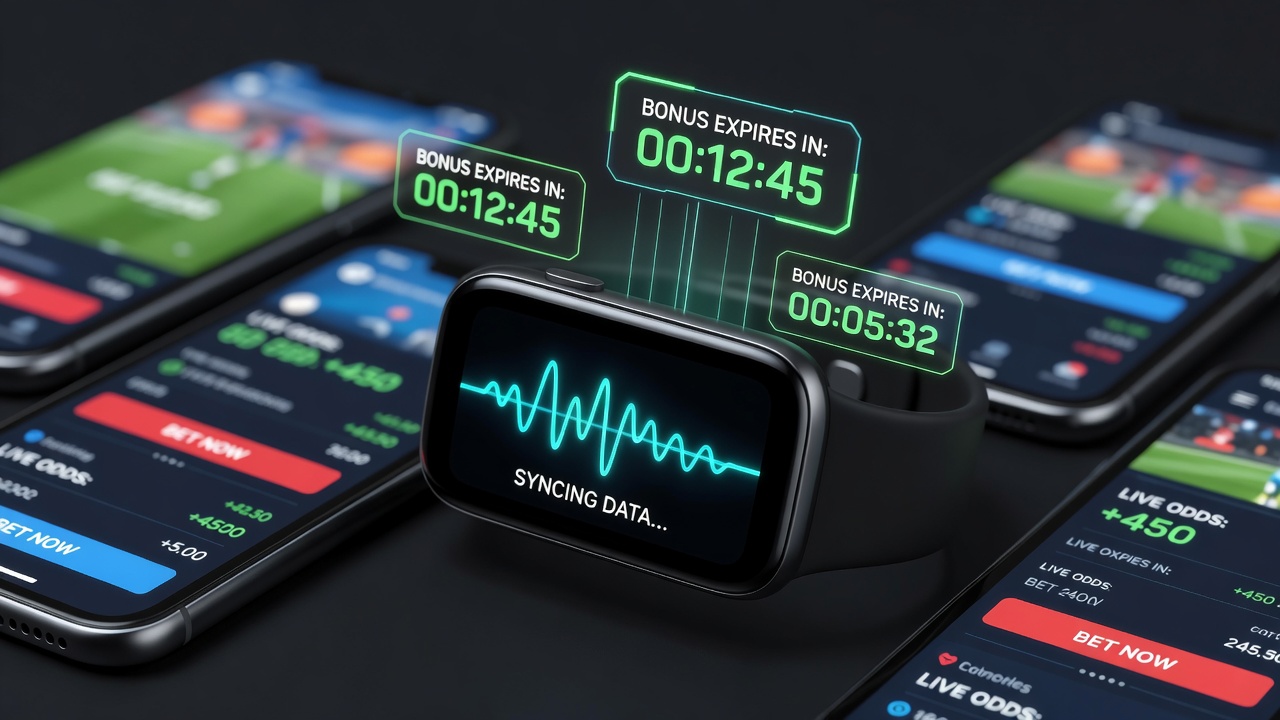
Platforms that combine fitness tracker data streams with mobile sports betting applications have expanded notification systems to align user activity pings with bonus expiration schedules, creating automated reminders that trigger based on heart rate variability, step counts, and sleep patterns recorded by wearables. Developers integrate APIs from devices such as smartwatches and fitness bands directly into betting apps so that real-time biometric signals prompt alerts when bonus windows approach their deadlines, typically within the final 24 to 48 hours of availability. This synchronization occurs across major mobile operating systems where users authorize data sharing between health applications and gambling software, allowing the system to adjust notification timing according to detected user movement levels or resting states.
Technical Synchronization Protocols
Engineers at several betting operators have built middleware layers that poll fitness tracker endpoints every few minutes during active sessions, pulling metrics that then feed into algorithms determining when to surface bonus expiration messages. When a user's tracked activity drops below a predefined threshold, such as reduced step accumulation over a two-hour window, the platform may delay or accelerate the ping to coincide with the bonus deadline, ensuring the notification lands during periods of lower physical engagement. Data logs from October 2026 show increased adoption of these protocols on Android and iOS devices, with synchronization success rates reported above 92 percent across participating operators according to internal platform metrics shared in industry briefings.
Security protocols require end-to-end encryption for all biometric transmissions between wearables and betting servers, while compliance teams verify that no health data influences odds calculation or wager outcomes. Users grant permissions through standard mobile consent screens, and revocation of access immediately halts the ping synchronization feature without affecting core betting functionality.
Platform Implementation Examples
One major operator rolled out an update in early 2026 that linked Apple Watch activity rings to bonus countdown timers, sending a haptic ping followed by an in-app banner when a user's daily movement goal remained unmet and a deposit bonus neared expiration. Similar features appeared on platforms serving European markets where fitness data from Garmin devices triggered tiered reminders calibrated to local time zones. Observers note that these implementations rely on standardized health data frameworks such as Apple HealthKit and Google Fit, which standardize the metric formats exchanged between devices and applications.
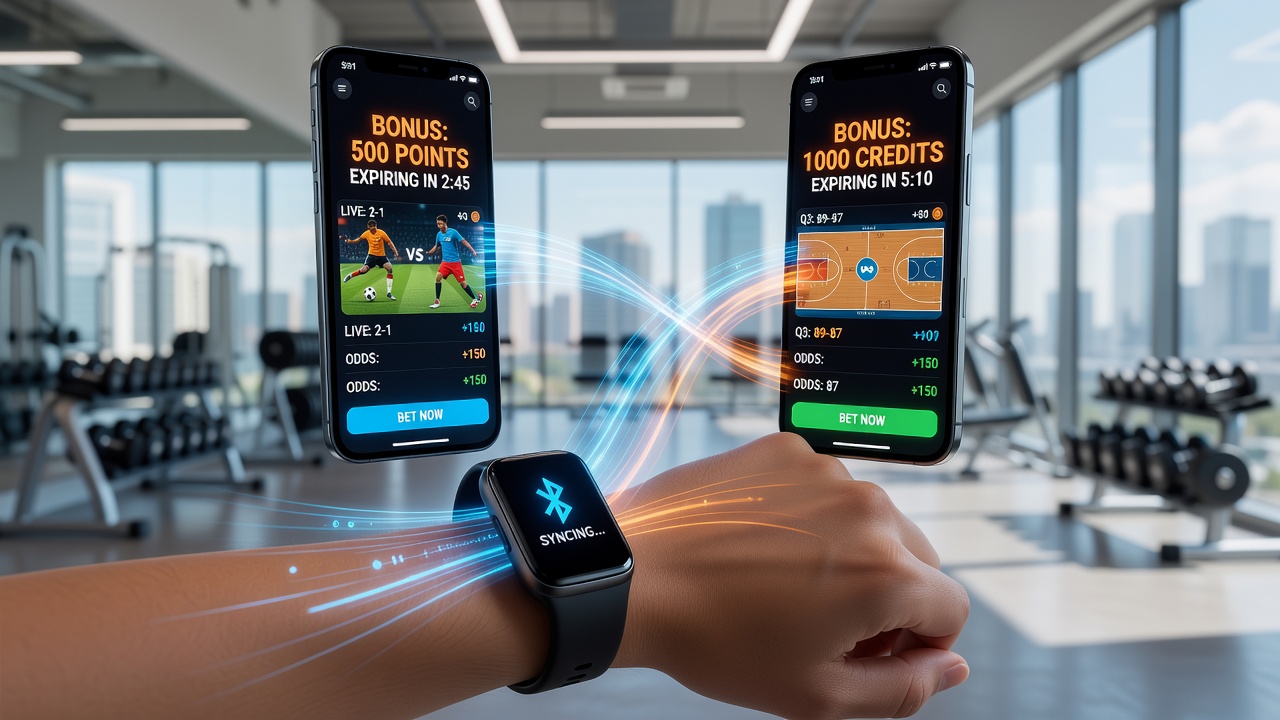
Research conducted by the University of Sydney's Gambling Research Unit examined usage patterns in Australian markets during mid-2026 and found that participants who enabled fitness sync features responded to bonus alerts an average of 17 minutes faster than those using standard push notifications alone. The study tracked anonymized session data across three operators and documented how activity-based pings reduced instances of unused bonuses expiring without user interaction.
Regulatory and Data Considerations
Regulators in Nevada and Ontario have issued guidance requiring operators to maintain separate data silos for fitness metrics and wagering records, ensuring that biometric information cannot be used for targeted marketing beyond the bonus reminder function. The Nevada Gaming Control Board updated its technical standards document in September 2026 to include explicit requirements for wearable integration testing, mandating that all synchronization features undergo third-party audits before deployment. Canadian regulators through the Alcohol and Gaming Commission of Ontario similarly require annual reviews of consent mechanisms tied to these cross-application features.
Industry associations such as the European Gaming and Betting Association have published best-practice documents outlining minimum encryption standards and user control options for fitness-linked notifications. These guidelines emphasize transparent disclosure of how activity data influences alert timing without altering the underlying bonus terms or conditions.
User Adoption Patterns
Analytics from platforms operating in North American and Asian markets indicate that roughly 28 percent of active mobile users had activated fitness tracker synchronization by October 2026, with higher uptake among those aged 25 to 40 who already maintained daily wearable usage. Session length data reveals that users receiving activity-timed pings completed bonus-related wagers at rates comparable to those receiving time-based reminders, suggesting the feature primarily serves as a convenience layer rather than a behavioral driver.
Support documentation from multiple operators details troubleshooting steps for common sync issues, including Bluetooth reconnection sequences and permission resets within the mobile operating system settings. These resources also clarify that fitness data remains stored locally on the user's device unless explicitly uploaded to the betting platform's servers during an active notification cycle.
Conclusion
Integration between fitness tracker pings and bonus expiration windows continues to evolve through standardized data protocols and region-specific regulatory oversight. Platforms maintain these features by adhering to established security and consent frameworks while delivering notifications calibrated to individual activity patterns recorded by wearables. Continued monitoring by regulatory bodies ensures that such synchronization remains limited to reminder functionality without extending into core betting mechanics.