Seasonal Tournament Structures Influencing Retention Rates Among Enthusiasts of Skill-Based Digital Wagering Formats
Greta Peters · Sep 26, 2026
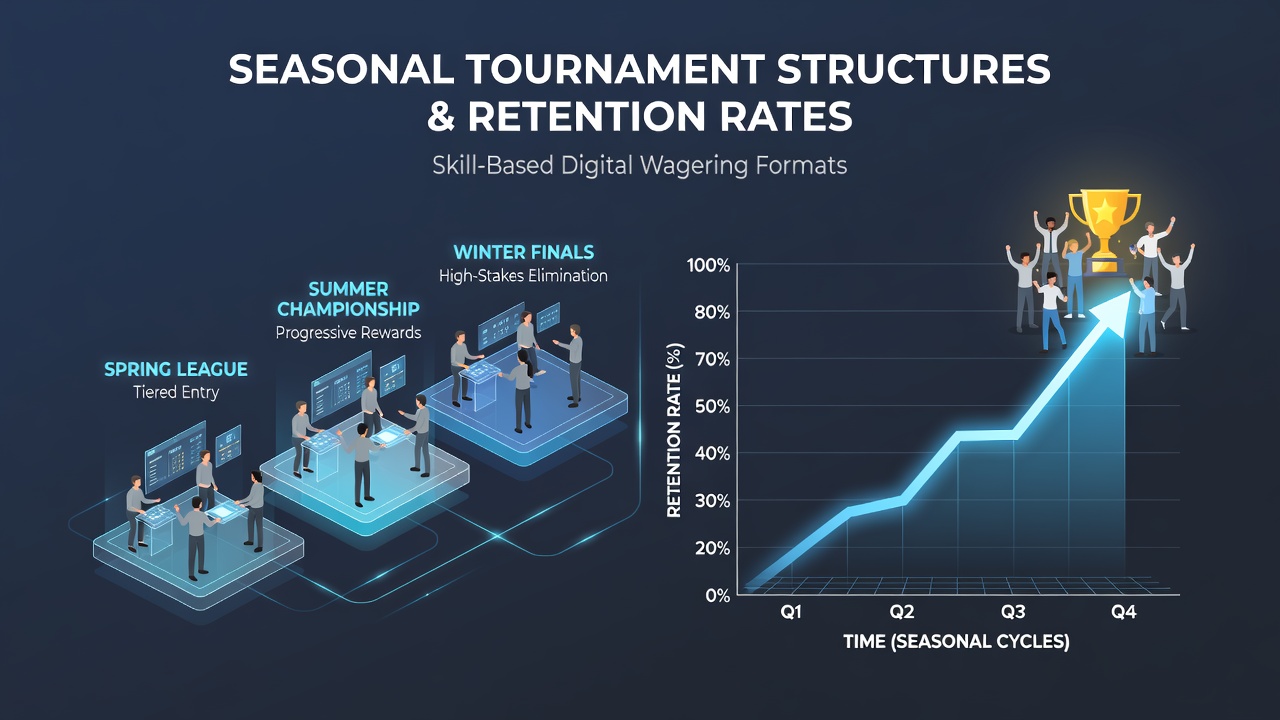
Seasonal Tournament Structures Influencing Retention Rates Among Enthusiasts of Skill-Based Digital Wagering Formats
Seasonal tournament structures in skill-based digital wagering formats such as online poker, esports betting, and fantasy sports competitions organize events around fixed calendar periods that align with holidays, sports seasons, or promotional cycles, and these frameworks connect directly to player retention metrics tracked by platform operators. Data collected across multiple jurisdictions shows that structured seasons with progressive qualification stages and cumulative leaderboards maintain higher session frequencies compared to standalone events, because participants return repeatedly to accumulate points or rankings that determine final payouts or invitations to premium brackets.
Defining Seasonal Structures in Digital Wagering
Operators divide annual calendars into distinct phases that include qualification rounds in early months, mid-season leaderboards, and championship events in later quarters, while incorporating regional variations that account for local sporting calendars and cultural observances. These phases often feature escalating entry requirements and bonus multipliers tied to prior performance, which encourage consistent participation rather than sporadic logins. Research from the Canadian Gaming Association indicates that platforms using multi-month qualification ladders recorded average retention lifts of 18 to 24 percent during active seasons in 2025, with the strongest gains appearing among users who completed at least three qualification stages.
Retention Patterns Across Different Formats
Skill-based formats respond differently to seasonal framing because poker and esports titles emphasize individual ranking progression, whereas fantasy sports formats tie retention more closely to weekly roster updates and head-to-head matchups within a larger seasonal arc. Platforms that synchronize tournament brackets with major league schedules, such as NFL or soccer seasons, observe repeat login rates that exceed those of non-seasonal skill games by measurable margins, according to internal analytics shared in industry reports. In September 2026 several major operators introduced autumn championship series that layered additional satellite events onto existing seasonal ladders, resulting in documented increases in weekly active users across North American and European markets.
Measurement Approaches and Supporting Data
Operators track retention through cohort analysis that compares players who enter seasonal tournaments against control groups who engage only with non-tournament formats, and these studies consistently reveal that seasonal participants maintain accounts active for longer average durations. A 2025 analysis conducted by researchers at the University of Nevada, Reno examined transaction logs from multiple skill-based platforms and found that users completing seasonal qualification paths demonstrated 31 percent higher month-over-month retention than those participating in isolated events. Metrics such as average sessions per week, total hands or matches played, and deposit frequency all showed upward trends during active seasonal windows, while churn rates dropped noticeably once participants reached mid-tier leaderboard positions.
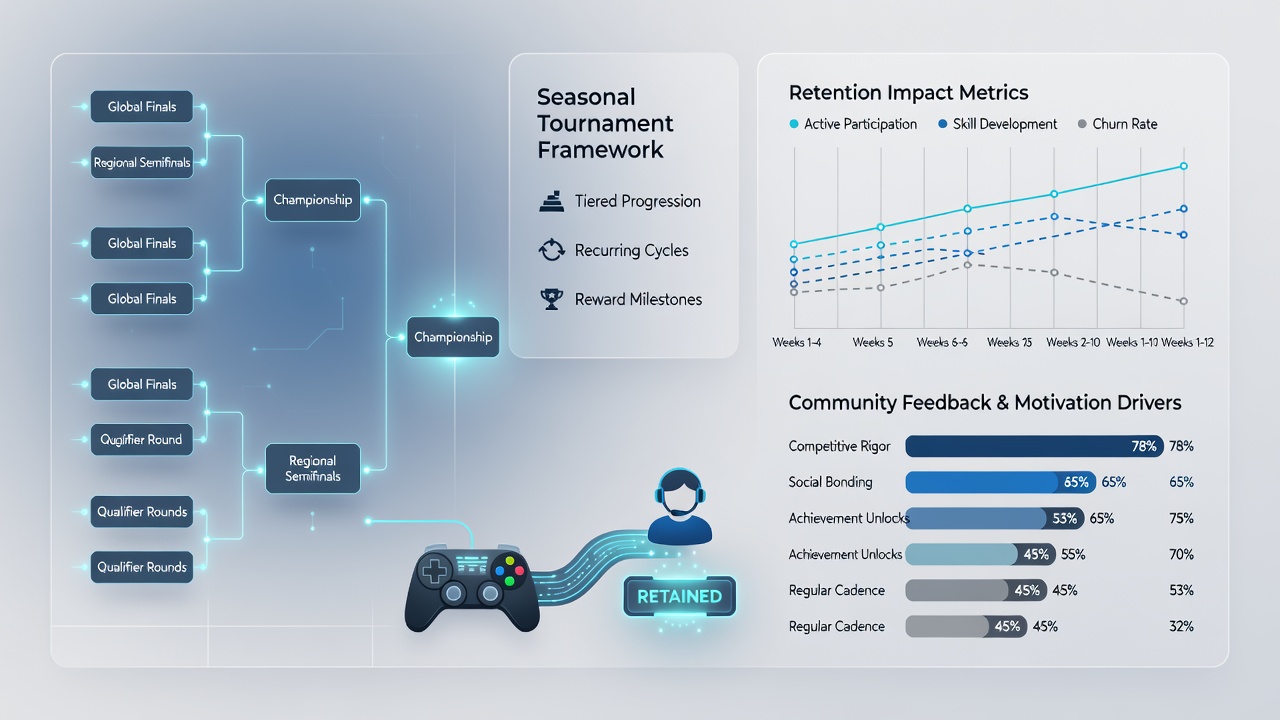
Geographic differences appear in the data as well. Australian operators report that summer tournament seasons aligned with cricket and tennis calendars produce retention spikes that mirror patterns seen in European winter poker series tied to football schedules, suggesting that cultural calendar alignment strengthens the retention effect regardless of region.
Platform Implementation Examples
One major esports wagering site structures its seasonal calendar around four distinct circuits per year, each culminating in a finals event that offers larger prize pools funded partly through accumulated entry fees, and this model has correlated with sustained participation rates across multiple circuits. Another operator in the poker space uses a points-based seasonal system where consistent weekly performance unlocks higher-stakes tables and exclusive satellite entries, which in turn reduces the drop-off typically observed after major standalone events conclude. Observers note that these layered reward mechanics create ongoing incentives that extend beyond individual tournament results, keeping users engaged through the full seasonal arc rather than allowing activity to taper once early rounds finish.
Conclusion
Seasonal tournament structures exert measurable influence on retention rates in skill-based digital wagering by establishing recurring participation cycles, progressive qualification systems, and calendar-aligned events that maintain user engagement across extended periods. Platform data and independent analyses from sources such as the Canadian Gaming Association and academic reviews at the University of Nevada, Reno confirm consistent patterns of increased session frequency and reduced churn when these structures are implemented. As operators continue to refine phase-based calendars and leaderboard mechanics, the connection between seasonal design and long-term user retention remains a central factor in platform performance metrics through 2026 and beyond.