Timezone Drift Patterns: How Shifting Global Clock Alignments Reshape Participation Rates in Cross-Continental Live Dealer Sessions
Carlo Baumann · Oct 24, 2026
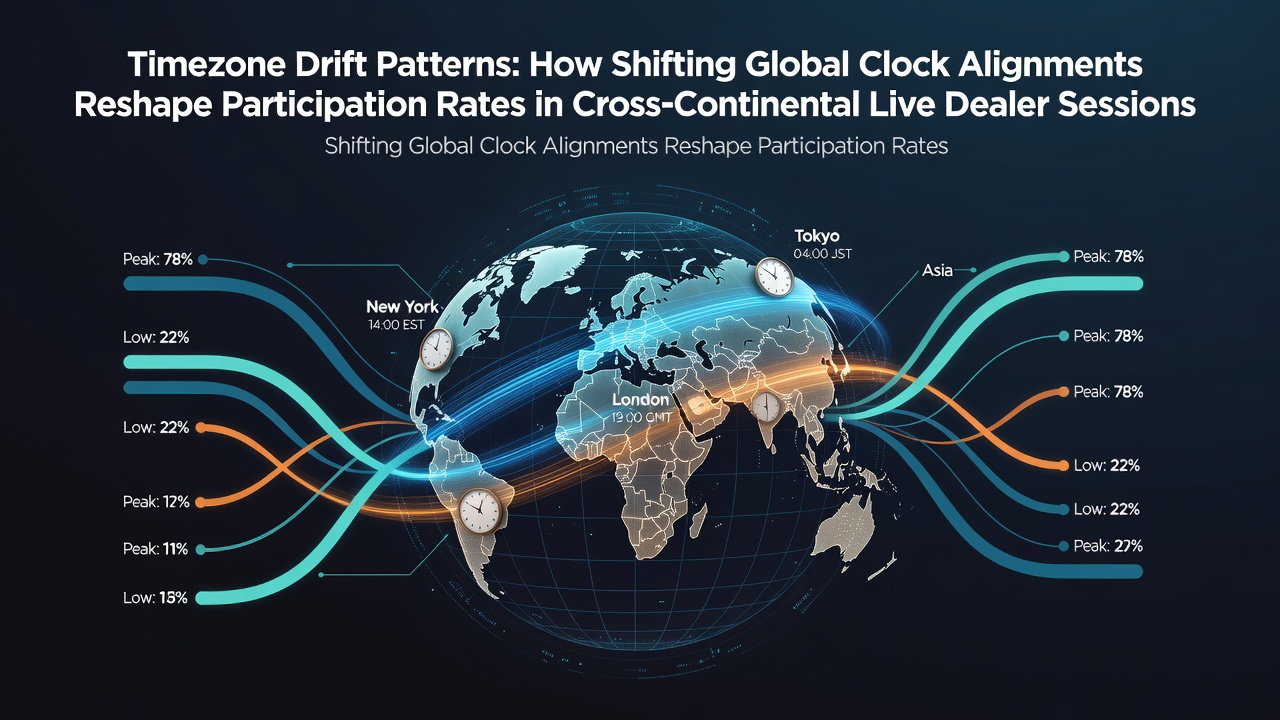
Timezone Drift Patterns: How Shifting Global Clock Alignments Reshape Participation Rates in Cross-Continental Live Dealer Sessions
Timezone alignments shift throughout the year due to daylight saving changes and regional policy adjustments, and these movements directly influence when players from different continents join live dealer tables. Data from multiple gaming platforms shows that participation rates in cross-continental sessions rise or fall by measurable margins whenever clock offsets change by even one hour. Analysts track these patterns through server logs that record login times, session lengths, and player locations, revealing consistent correlations between alignment windows and table occupancy.
Understanding the Mechanics of Timezone Drift
Live dealer platforms operate on coordinated universal time while players connect from zones that observe seasonal clock changes, and this mismatch creates recurring drift periods each year. When European countries move clocks forward in spring, for example, the overlap with Asian evening hours shrinks while North American afternoon windows expand. Platform operators record these transitions and note corresponding spikes in certain regions alongside drops in others, with blackjack and roulette tables often showing the clearest shifts. Research indicates that a single hour of drift can redistribute player volume across a 24-hour cycle without altering overall daily totals in many cases.
Operators adjust dealer schedules and table availability based on predicted patterns, yet sudden policy changes in one country can still disrupt forecasts. Australian states that altered daylight saving rules in recent years produced measurable effects on evening sessions for European and North American participants, according to aggregated industry data. Those adjustments demonstrate how local decisions ripple outward through global networks.
Measured Impacts on Participation Rates
Figures from platform analytics reveal that sessions bridging Europe and Asia experience the largest percentage swings during drift periods, with some tables losing up to 18 percent of their usual peak-hour traffic. North American players fill some of those gaps when alignments favor later afternoon hours, yet the substitution rarely matches original volumes exactly. Studies compiled by research groups such as the International Gaming Standards Association track these exchanges across multiple operators and confirm that live dealer formats show more sensitivity than automated games because human dealer availability adds another scheduling layer.
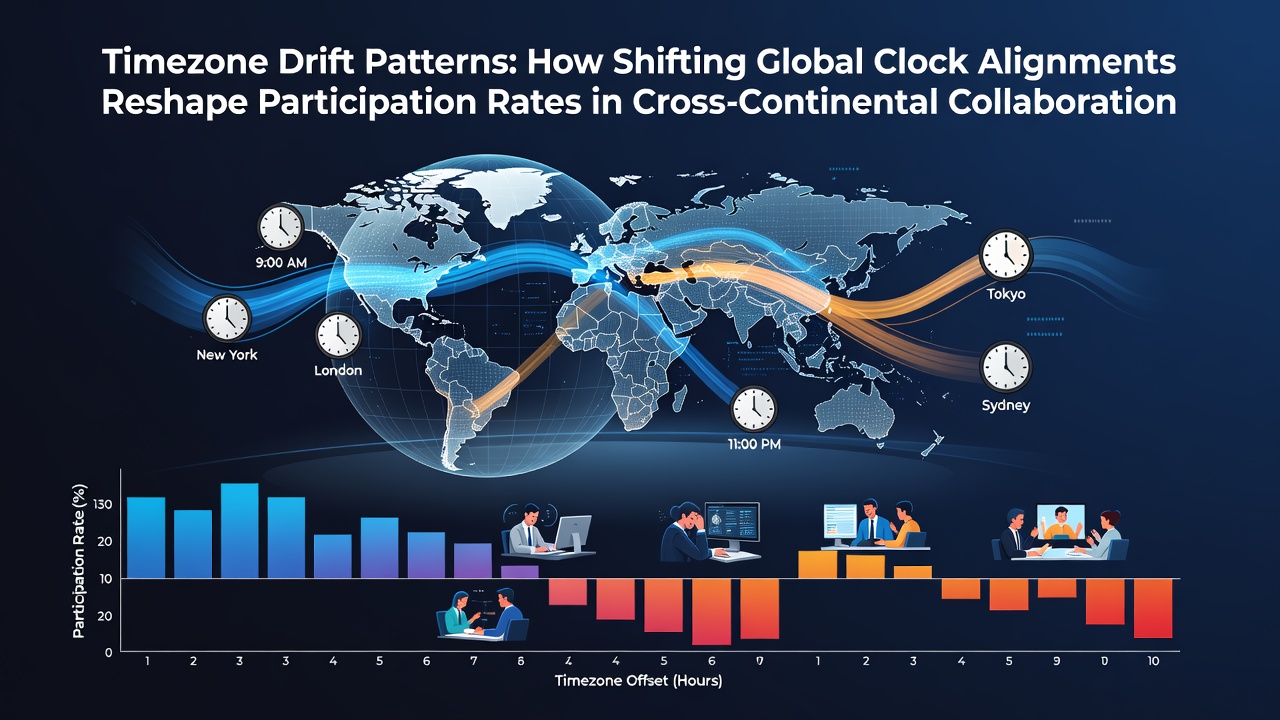
October 2026 presents a notable window because several regions implement clock changes within days of each other, compressing the usual transition period. Platform data collected through early fall already projects tighter overlap between South American late nights and Asian mornings, prompting operators to test staggered dealer shifts. Observers note that these compressed windows tend to concentrate high-volume players into fewer prime hours, raising average table stakes during those periods while quieter times see steeper declines.
Regional Patterns and Player Migration
European participants often migrate toward earlier or later sessions when their local clocks move relative to Asian and American dealers, and logs show corresponding increases in table selection from alternate time blocks. Canadian regulatory reports document similar movements among players who favor certain live poker variants, with volume transferring across borders as alignments evolve. These migrations remain voluntary and data-driven rather than forced by any single platform rule.
Asian markets exhibit their own responses when North American daylight saving ends, expanding evening overlap that draws additional participants from Japan and South Korea into tables traditionally dominated by European traffic. Industry reports from the Asia Pacific Gaming Association highlight that these expanded windows produce steadier session lengths because players encounter fewer scheduling conflicts. The pattern repeats in reverse during spring transitions, when shorter overlaps push some users toward recorded sessions or alternative game types.
Operational Adjustments Across Platforms
Operators respond to documented drift patterns by expanding dealer rosters during anticipated high-overlap periods and reducing availability when projections indicate lower demand. Scheduling software incorporates historical participation curves that update after each clock change event, allowing finer calibration of table openings. One major platform adjusted its dealer deployment in 2025 after reviewing two full years of alignment data, resulting in more consistent wait times across regions.
Communication with players through in-app notifications also adapts, with reminders about upcoming time shifts sent to users whose historical activity aligns with affected windows. These alerts help maintain engagement without promising specific outcomes, and response rates indicate players appreciate the advance notice. The approach relies on aggregated usage statistics rather than individual tracking.
Conclusion
Timezone drift continues to reshape participation in cross-continental live dealer sessions through predictable yet evolving mechanisms, and ongoing data collection refines how platforms anticipate and accommodate those changes. Regional clock policies, seasonal transitions, and player location patterns interact to produce measurable volume shifts that operators now integrate into routine planning. As global networks expand, the precision of alignment forecasting improves through accumulated evidence from multiple markets.